
The route in one sentence
Combine Las Palmas, the north, the mountains, the south and west, then keep one flexible day for the sea, family activities or rest. Two bases reduce driving.
- Start in Las Palmas, then explore the north.
- Reserve a full day for the mountains.
- Finish with the south, west and a flexible day.
Before you start: decisions that change the route
Gran Canaria looks small on a map, but mountain roads are slow and winding. The most common mistake is combining too many areas. This plan groups nearby stops so your time goes into experiences rather than driving.
Check forecasts by municipality, not only the island-wide temperature. Maspalomas can be sunny while Las Palmas is cloudy and the summit is windy or cold. Swap days if the mountains are covered.
Access, parking and reservation systems can change. Confirm official information before leaving, especially for Roque Nublo, trails, museums and boat trips.
Who is this itinerary for?
This is a realistic but active first-visit plan for couples, friends and families who want culture, landscapes and beaches. Each day has one essential version; with young children or limited mobility, remove a stop instead of speeding up.
It is not a checklist of the whole island. Hikers can add mountain time, while relaxed travellers can keep only the main visit and extend beach afternoons.
Day 1
Las Palmas: Vegueta, Triana and Las Canteras
Morning
Start in Vegueta before the day gets hot. Walk around Santa Ana square, the historic streets and Casa de Colón, choosing one museum rather than rushing through all of them.
Midday
Cross into Triana for lunch. It provides an easy transition from heritage to present-day city life and a wider choice of food.
Afternoon
Finish at Las Canteras for a walk, a swim when conditions allow and sunset. You do not need a car today.
Why it works: The areas connect naturally and ending by the sea avoids another trip across the city.
Day 2
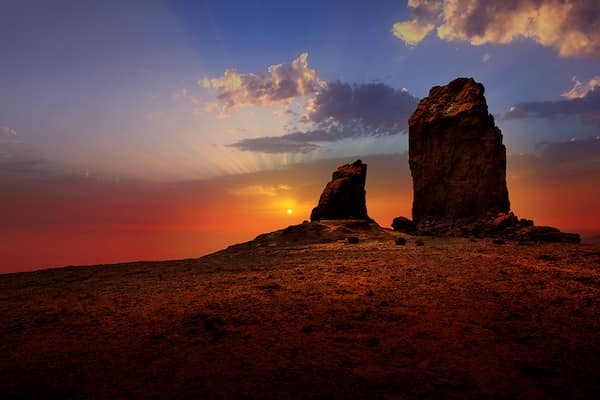
Roque Nublo and Tejeda
Morning
Leave early for the summit and confirm any reservation required by the current access system. Take firm shoes, water and a layer because coastal weather does not predict mountain conditions.
Midday
Continue to Tejeda for an unhurried lunch. Do not add the north coast: bends turn a short distance into a long transfer.
Afternoon
Choose one viewpoint on the return and descend before dark if you do not know the road.
Why it works: It keeps landscape, walking and village time in one area with room for cloud, traffic and spontaneous stops.
Day 3
Maspalomas and the southwest coast
Morning
Visit the Maspalomas Dunes early from the viewpoint or La Charca. Avoid walking barefoot on hot sand around midday.
Midday
Eat in Meloneras or continue to Amadores for a simple, sheltered swim. At weekends arrive before midday if you need parking.
Afternoon
Choose Puerto de Mogán for a walk and dinner, or return to Maspalomas for sunset. Do not rush both options.
Why it works: The morning covers the signature landscape while the afternoon adapts to beach, village or rest.
Day 4
Teror, Arucas and Agaete
Morning
Reach Teror in the morning and explore the streets around the basilica. Market days mean extra traffic and less parking.
Midday
Stop briefly in Arucas, then continue to Agaete. The point is to notice the change from mid-altitude towns to the north coast, not enter every building.
Afternoon
Finish at Puerto de las Nieves or the natural pools only when sea conditions are safe.
Why it works: The route moves logically northwest and avoids repeated returns to the capital.
Day 5
Puerto Rico, Amadores and Puerto de Mogán
Morning
Begin with a pre-booked boat trip from Puerto Rico if desired. Confirm duration, sighting policy and sea conditions.
Midday
Have lunch in Puerto Rico or Amadores. Amadores is family-friendly, but weekend parking fills early.
Afternoon
Save Puerto de Mogán for the afternoon, when walking is pleasant and the morning activity is complete.
Why it works: It combines a fixed-time activity with nearby flexible stops rather than another region.
Day 6
Guayadeque and Bandama Caldera
Morning
Explore Guayadeque ravine and its viewpoints first. Respect homes, private property and signs: not every cave is a visitor attraction.
Midday
If you want a cave restaurant, check opening and reserve. Do not rely on an unconfirmed table on busy days.
Afternoon
Add the Bandama crater when visibility is good, choosing the viewpoint or the rim walk according to light and energy.
Why it works: Two volcanic landscapes sit in a sensible east-and-centre day without excessive driving.
Day 7
Flexible day: sea, family or rest
Morning
Choose for your group: Poema del Mar and Las Canteras in the capital, a southern water park, or dolphin and whale watching when the sea allows.
Midday
Use midday for a missed meal, practical shopping or simple rest. Filling every hour does not improve a week.
Afternoon
Return to your favourite beach or recover a visit moved because of weather.
Why it works: The buffer absorbs weather, tiredness and booking changes so one disruption does not damage the whole trip.
How to organise transport, accommodation and bookings
For three days, one base avoids changing hotels. Las Palmas suits city and food priorities; Maspalomas, Playa del Inglés or Meloneras make beaches and resort facilities easier. For seven days, splitting the stay between the capital and the south is efficient.
Public transport works well between major towns, but a car saves time inland. Do not judge journeys by distance alone: add time for bends, viewpoints and parking. Never leave luggage visible in a vehicle.
Book limited-capacity or fixed-departure experiences first. Add restaurants and free visits afterwards, and keep an indoor or sheltered coastal alternative for wind, calima or summit cloud.
Pace, food and daily budget
Eat breakfast before mountain drives and carry water, sun protection and a light layer. Inland lunch hours can be less flexible; tourist areas offer more choice but also more demand.
A city day works without a car and can be inexpensive. Mountains add fuel or tour costs; southern days cost more if you add parking, loungers or activities. Beaches, historic districts and viewpoints mean the route does not require a paid attraction every day.
Where to stay to save time
Las Palmas de Gran Canaria suits travellers who value Las Canteras, Vegueta, restaurants and local city life. The south offers more reliable sunshine, pool hotels and easy access to Maspalomas, Puerto Rico and Mogán.
For one week, three nights in Las Palmas and four in the south is a useful balance. With one base, expect longer drives and group distant trips on consecutive days.
A backup plan when weather changes
If the summit is covered, swap it for Vegueta, Casa de Colón, Cueva Pintada or a sheltered southern beach. In high heat, shorten exposed walks and visit dunes or promenades early or near sunset.
Do not force a booking when safety or visibility is poor. The best route preserves the important experiences in good conditions rather than completing every box.
Frequently asked questions
Do I need a car in Gran Canaria?
Not for Las Palmas and the main southern resorts. A car is very useful for Tejeda, viewpoints, Guayadeque and a flexible northern route. Without one, combine buses with an organised mountain trip.
Should I stay in Las Palmas or the south?
Las Palmas offers culture, city life and Las Canteras; the south offers resorts, beaches and more reliable sunshine. A split stay works well for a week.
Which day should I book first?
Confirm Roque Nublo and fixed-departure activities first. Beaches and historic districts are easier to move according to the forecast.
Does this itinerary work with children?
Yes. Reduce stops, avoid long exposed walks at midday and keep one main activity per day with generous food, swim and rest time.
A route with breathing space feels better
Gran Canaria rewards curiosity, but also a slower pace. Choose one main experience each day, group nearby visits and leave room for lunch, a swim or an unexpected viewpoint. Use this itinerary as a framework and change the order when weather or energy makes another choice wiser.