Maspalomas Dunes
Your essential guide to Gran Canaria's golden desert reserve
A Unique Landscape in Europe
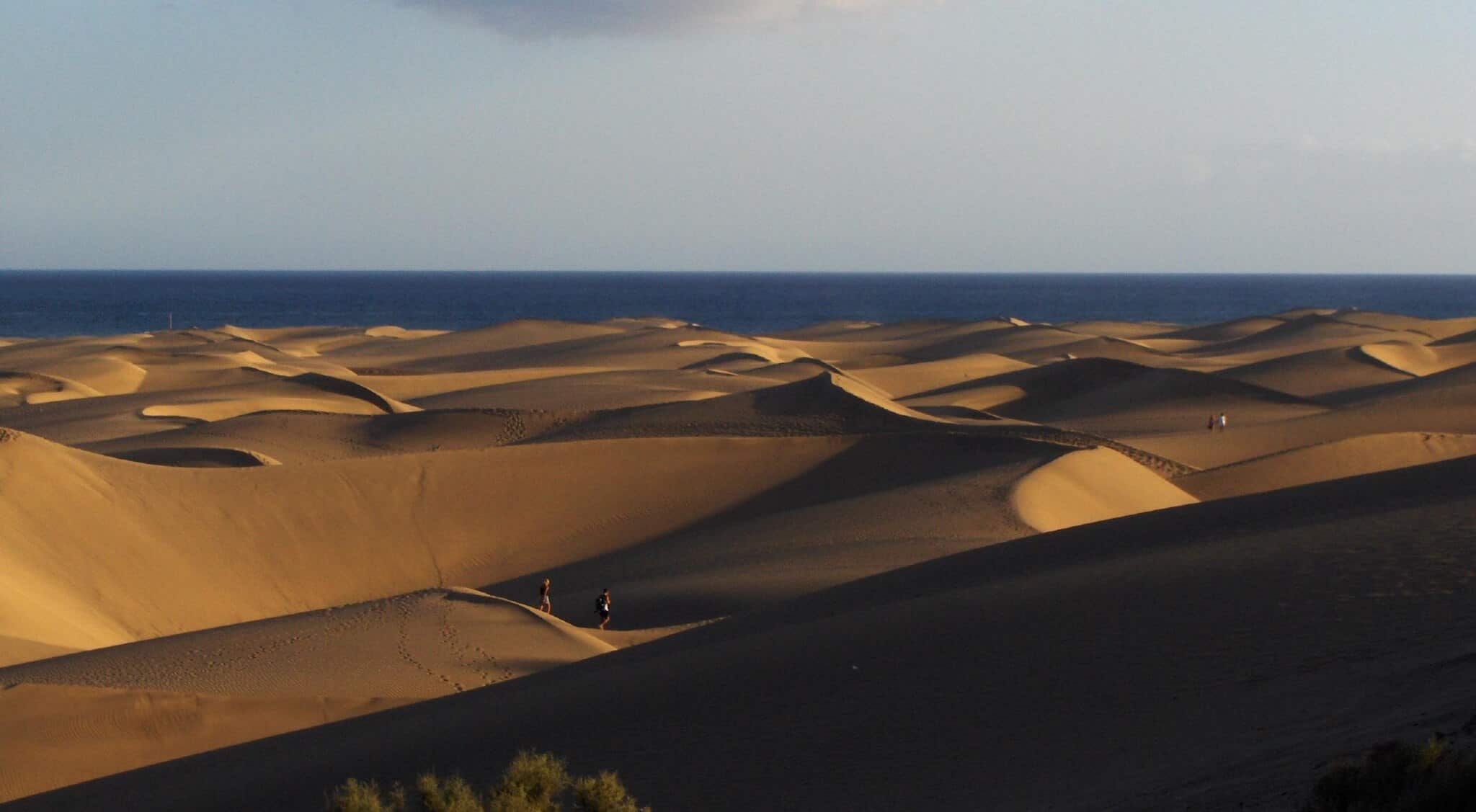
The Maspalomas Dunes form one of the most unique landscapes in the Canary Islands. This 404-hectare protected natural area, designated as a <a href='https://www.grancanaria.com/turismo/en/nature/natural-spaces/maspalomas-dunes/' target='_blank' rel='noopener noreferrer' class='text-blue-600 underline'>Special Nature Reserve</a>, combines a field of mobile dunes, a coastal lagoon (La Charca) and a palm grove, creating a unique ecosystem that seems transported directly from the Sahara.
Geological Origin
Formed during the last ice age by marine sediments and Saharan sand
The Lagoon
This coastal lagoon is a vital refuge for migratory birds between Europe and Africa. Its brackish water maintains a delicate balance that allows unique species to thrive.
Endemic Flora
Unique plants adapted to extreme conditions of salt, wind and drought. More information on Canarian flora at the Jardín Botánico Canario "Viera y Clavijo".
Three Ecosystems in One
The Mobile Dunes
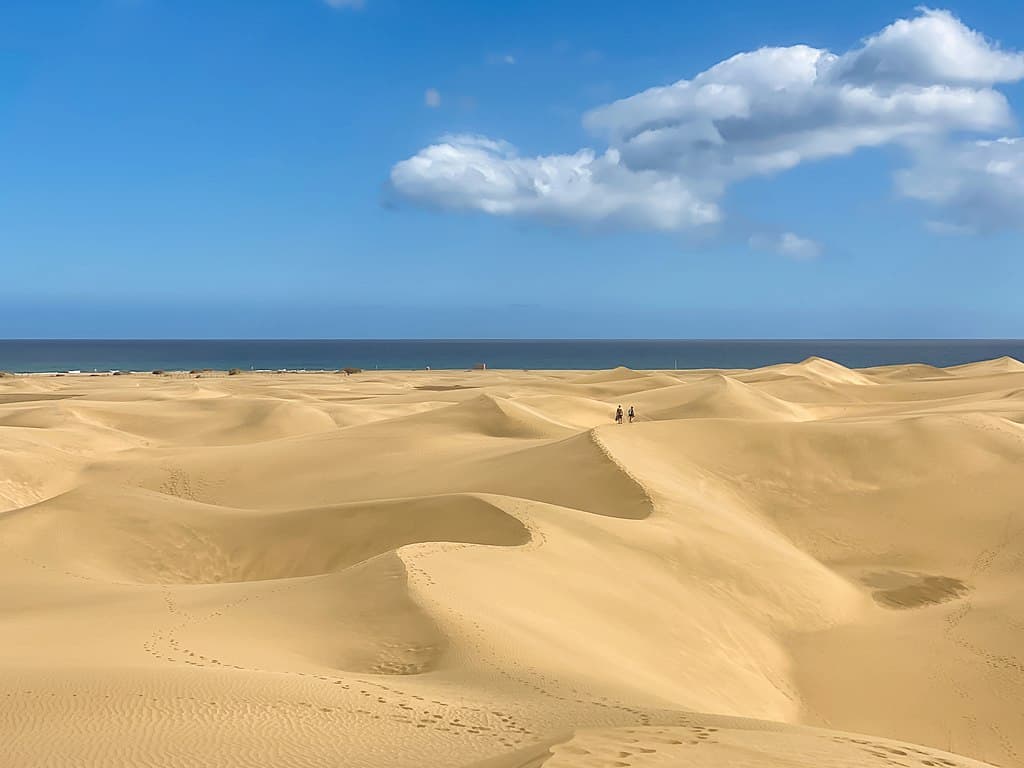
The dune field occupies most of the reserve. The dunes can reach up to 10 meters in height and constantly move due to trade wind action, creating an ever-changing landscape.
- Barchan and transverse dunes
- Sand of marine and wind origin
- Movement of 2-5 meters/year
The Lagoon
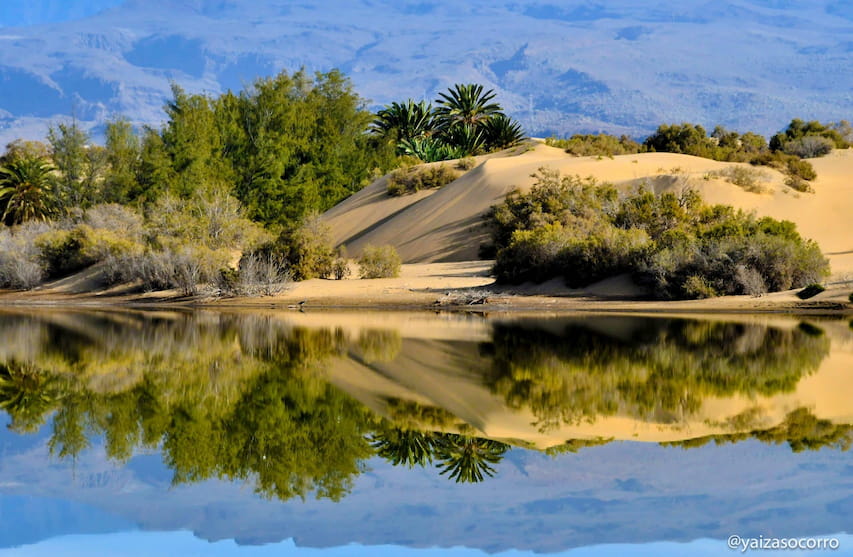
This coastal lagoon is a vital refuge for migratory birds between Europe and Africa. Its brackish water maintains a delicate balance that allows unique species to thrive.
- 24 bird species (BirdLife IBA)
- Migratory rest point
- Endemic Canarian fish
The Palm Grove
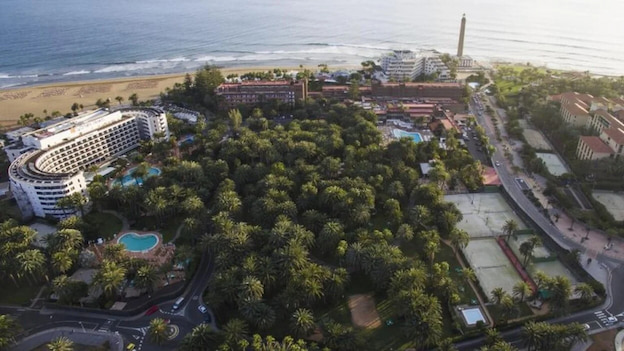
The Canarian palm (Phoenix canariensis) oasis represents the last vestige of the ancient palm groves that covered southern Gran Canaria.
- Endemic Canarian palm
- Local fauna refuge
- Humid microclimate
MASDUNAS Conservation Project
The Maspalomas Dunes are experiencing significant sand loss due to climate change and tourist pressure. The MASDUNAS project actively works to preserve this unique ecosystem.
How you can help:
- Walk only on marked trails
- Don't climb dunes for photos
- Take all your trash with you
- Don't disturb wildlife
Visual Journey
Explore the diverse landscapes of the reserve

Riu Palace Viewpoint
Panoramic views of the entire field
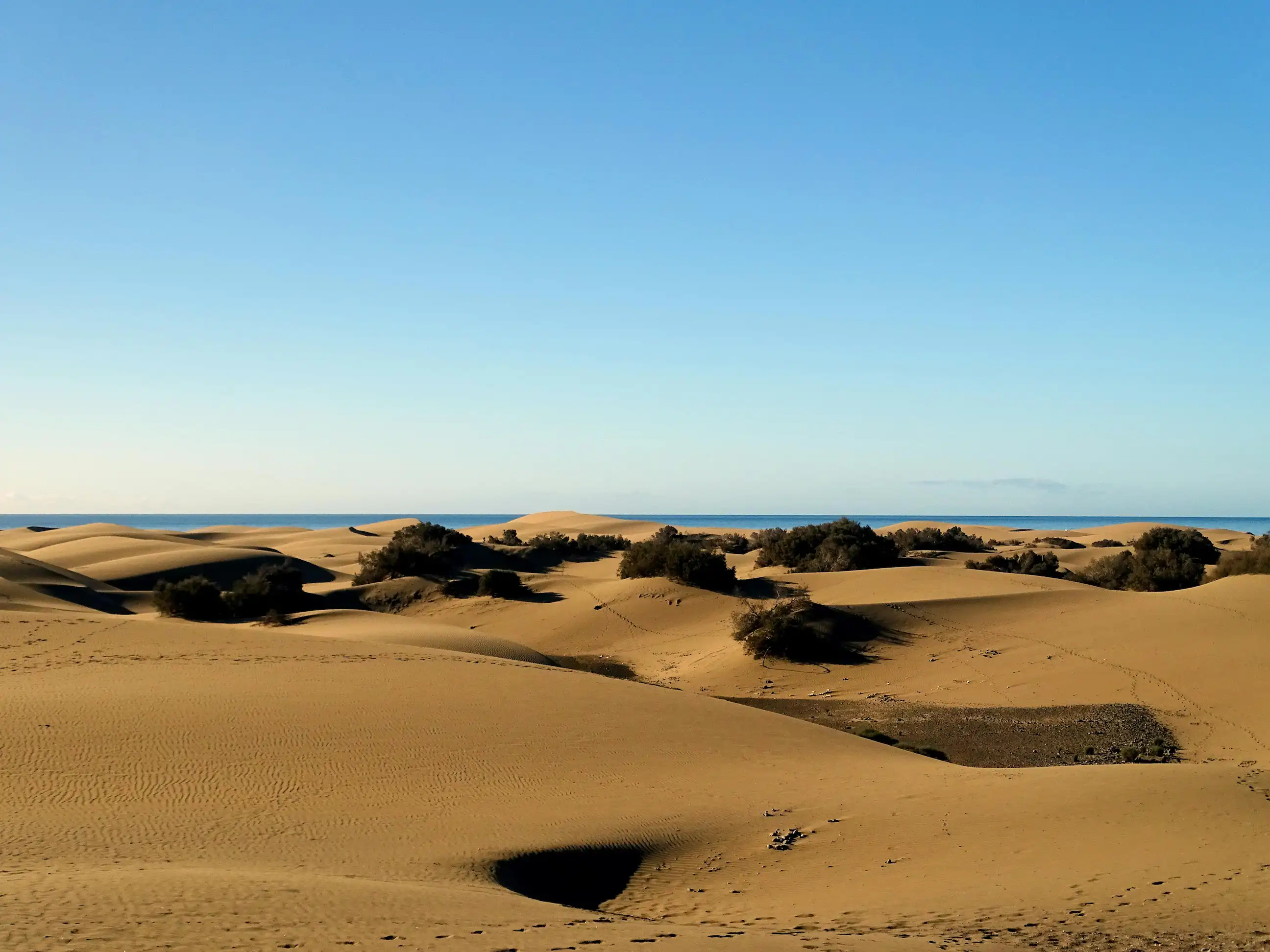
Wavy Dune Patterns
Sculpted by trade winds
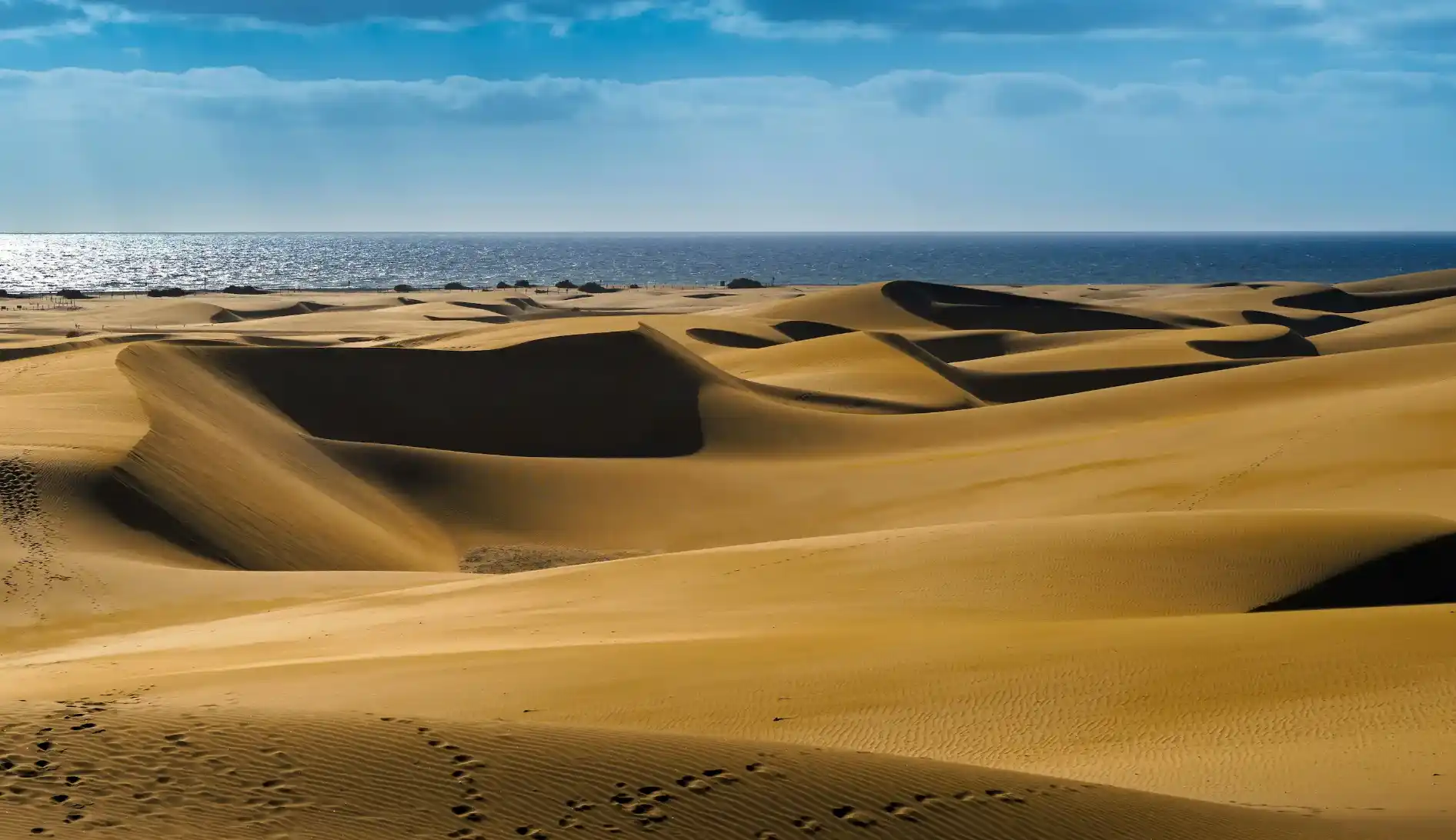
Sunset Magic
Golden hour perfection
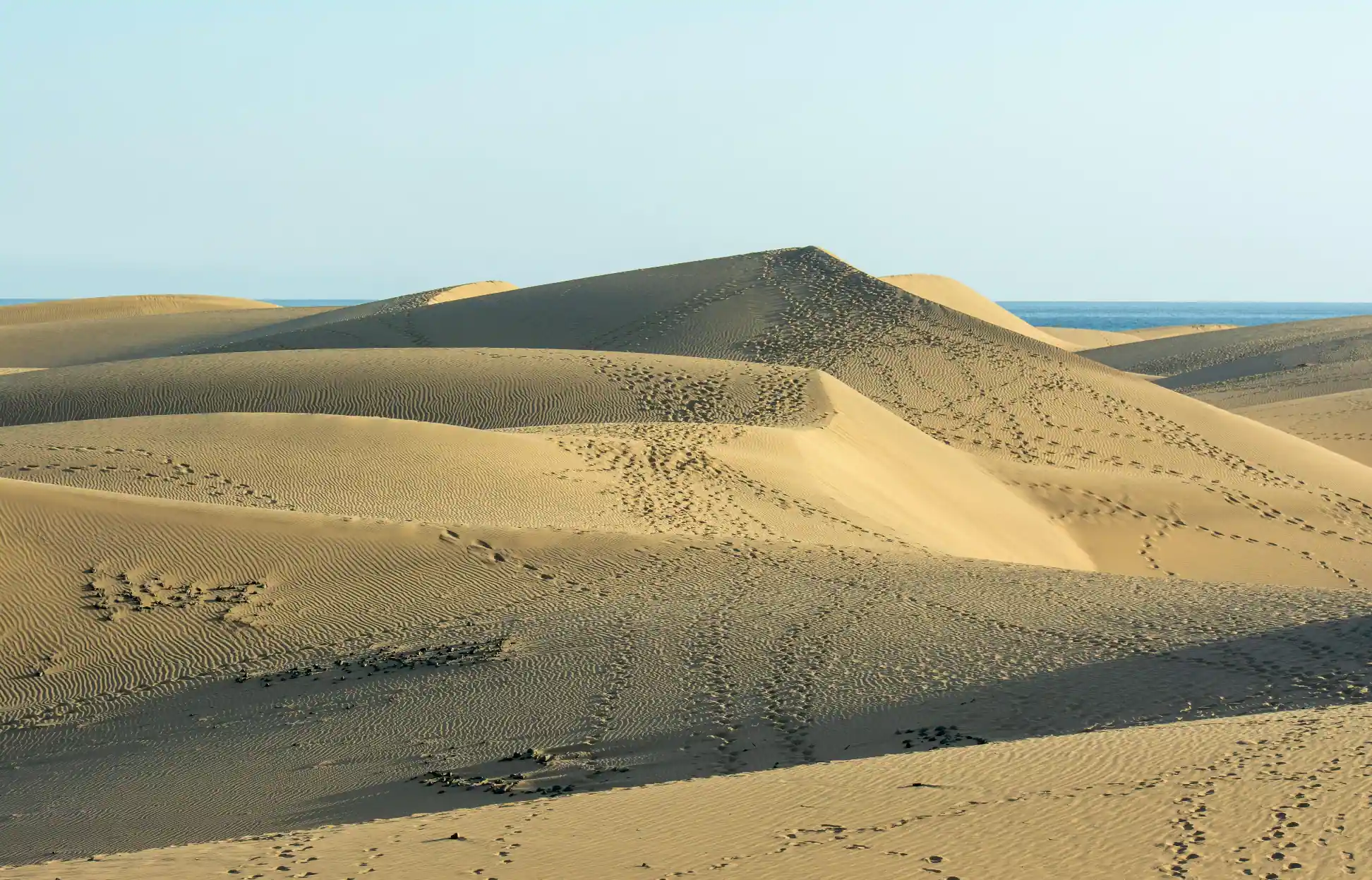
La Charca Oasis
Resting spot for migratory birds
Plan Your Visit
Access Points
Maspalomas Beach
Main access from the promenade. Ideal for combining beach and dunes.
Hotel RIU Palace
Entry via Avenida de Tirajana. Direct access to central dunes.
La Charca
Viewpoint with information panels. Best point for bird watching.
Best Times to Visit
Sunrise (6:30-8:00)
Cool temperature, perfect golden light for photography, fewer visitors
Sunset (18:00-20:00)
Spectacular colors, dramatic shadows on dunes, magical moment
Full moon night
Unique experience, silver dunes under moonlight
Practical Tips
What to bring
- • Sunscreen SPF 50+
- • Hat and sunglasses
- • Water (minimum 1L)
- • Comfortable footwear
Photography
- • Best light: first and last hour
- • Protect your gear from sand
- • Look for patterns in dunes
- • Respect nature
Complete 2026 Guide
Everything you need to know for your visit.
Interactive Map
Near the Dunes
Maspalomas Lighthouse
Historic lighthouse from 1889, 56m tall
Maspalomas Beach
6km of golden beach next to the dunes
Shopping Center
Restaurants, shops and services
Ready to explore the Maspalomas Dunes?
Our local guides can help you discover the secrets of this unique landscape
Plan a respectful visit
Before setting out, read the Gran Canaria naturist etiquette guide and our Maspalomas parking comparison. A naturist section lies within the same dune field: our guide to the nude beaches of Gran Canaria covers where it begins and what to expect.
Looking for a different beach? Compare all the Gran Canaria beaches by swell, wind and facilities.