Before you sit down: what eating Canarian actually means
The cooking of Gran Canaria is not a list of dishes. It combines an Atlantic larder, crops from the mid-altitude villages, fish, cheeses, and a way of eating in which simple produce usually leads. In a single week you can find a table of fish on the coast, a spoon-and-bowl stew inland, and a bakery working with almond, honey or local fruit. That variety is precisely the reason not to order the same thing every time.
To tell a menu written for visitors from one with more local identity, look for specific names: papas arrugadas, mojo, gofio, Canarian cheese, potaje, sancocho, ropa vieja, fish in season, or a dessert like bienmesabe. No single word guarantees a good meal, but a menu that explains its produce and changes with the season usually gives you more to go on than a generic 'Spanish food' card.
It is worth leaving absolute judgements for another day. The best restaurant depends on your budget, on whether you are travelling with children, on whether you have a car, and on what is available that day. This guide does not rank businesses or promise fixed prices: it gives you a way to decide, and links for combining a meal with the rest of the island.
Start here
Six flavours that explain the island
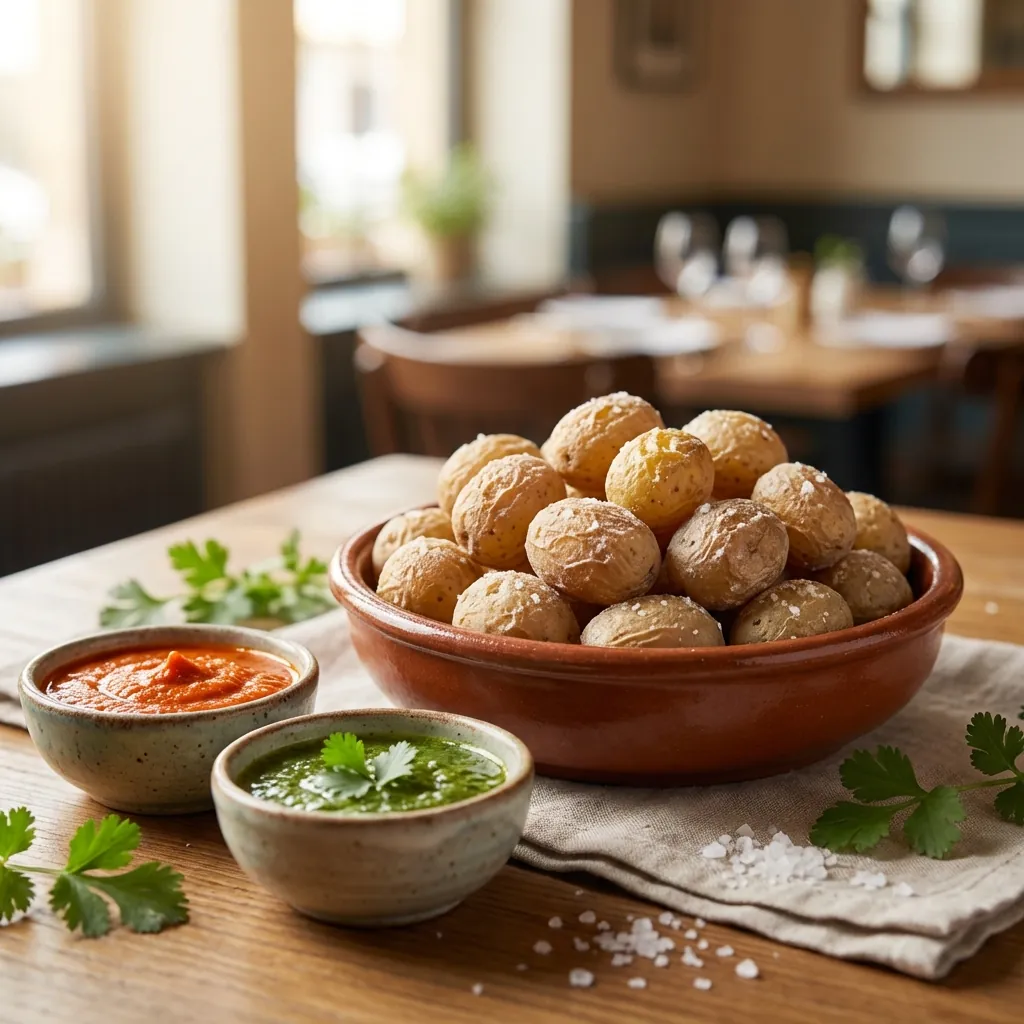
Papas arrugadas with mojo
Small potatoes boiled in salt are the easiest way in. Red mojo usually starts from pepper and spices; green from herbs and garlic. Order them to share and use them as a reference point: if the potatoes are cooked properly and the mojo has character, the kitchen probably looks after the basics.
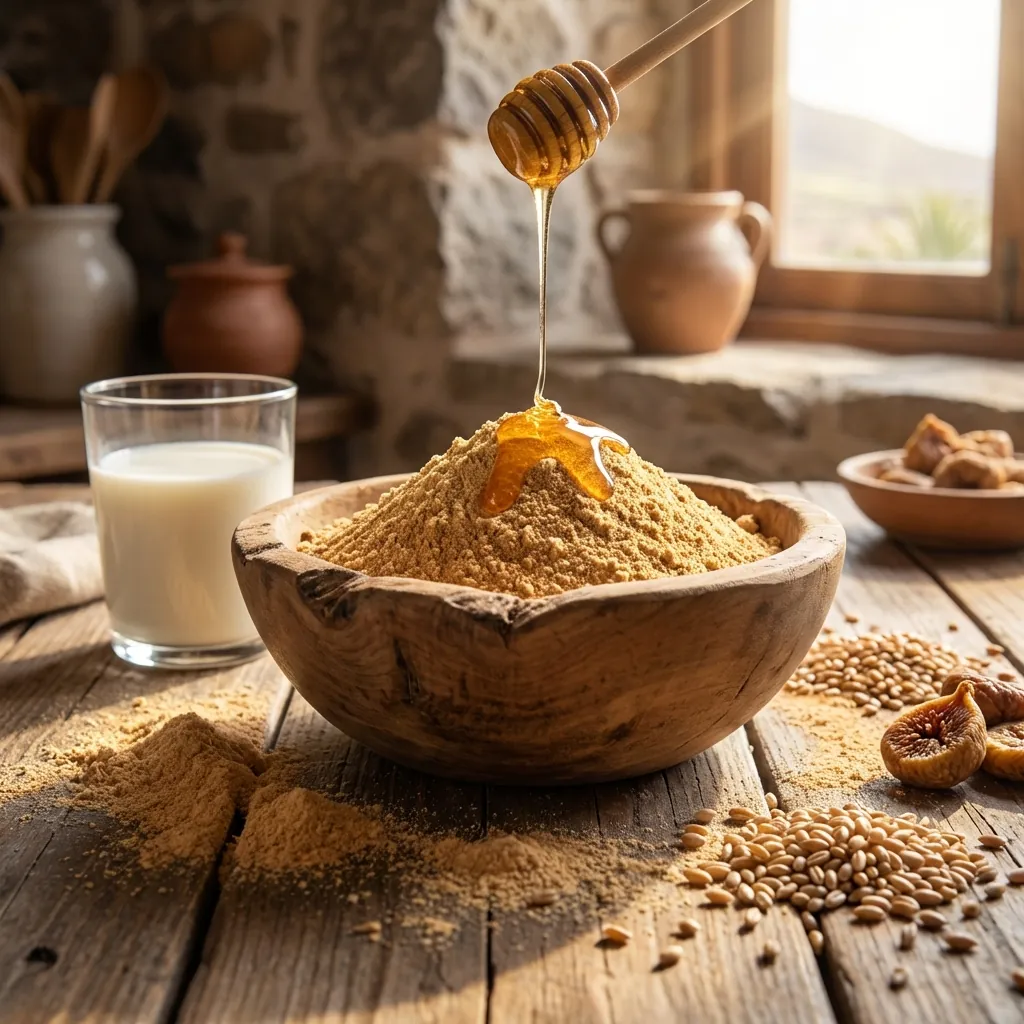
Gofio
Gofio is toasted cereal flour and it turns up in many forms: stirred into broths, worked into a pella, in ice cream, or served with honey. It is not one dish but an ingredient that links home cooking, breakfasts and more modern recipes. If you see it on a menu, ask how the kitchen uses it.
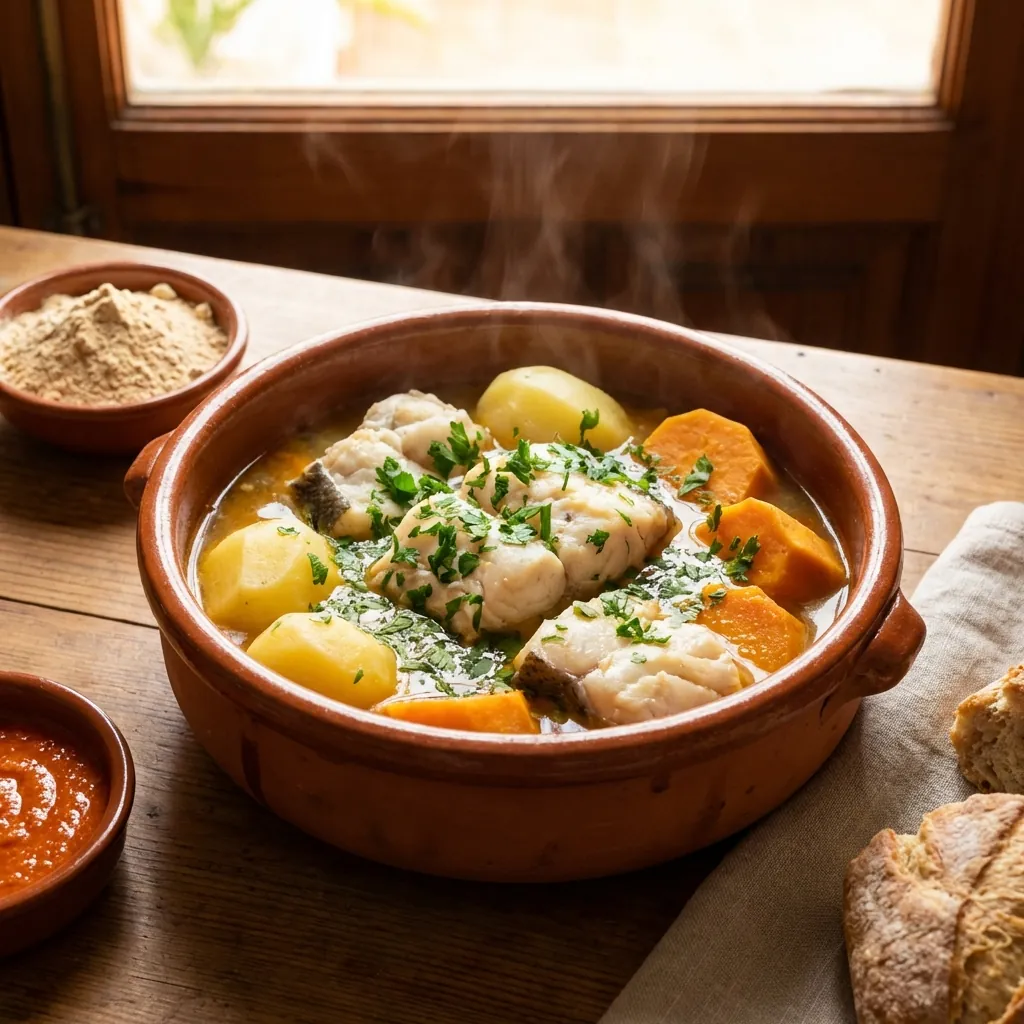
Sancocho and fish
Sancocho means salted fish, potato, sweet potato and — depending on the house — gofio or mojo. On the coast it is also worth asking what fish came in that day rather than looking for a particular species. The answer will tell you more about the place than any fixed list of recommendations.
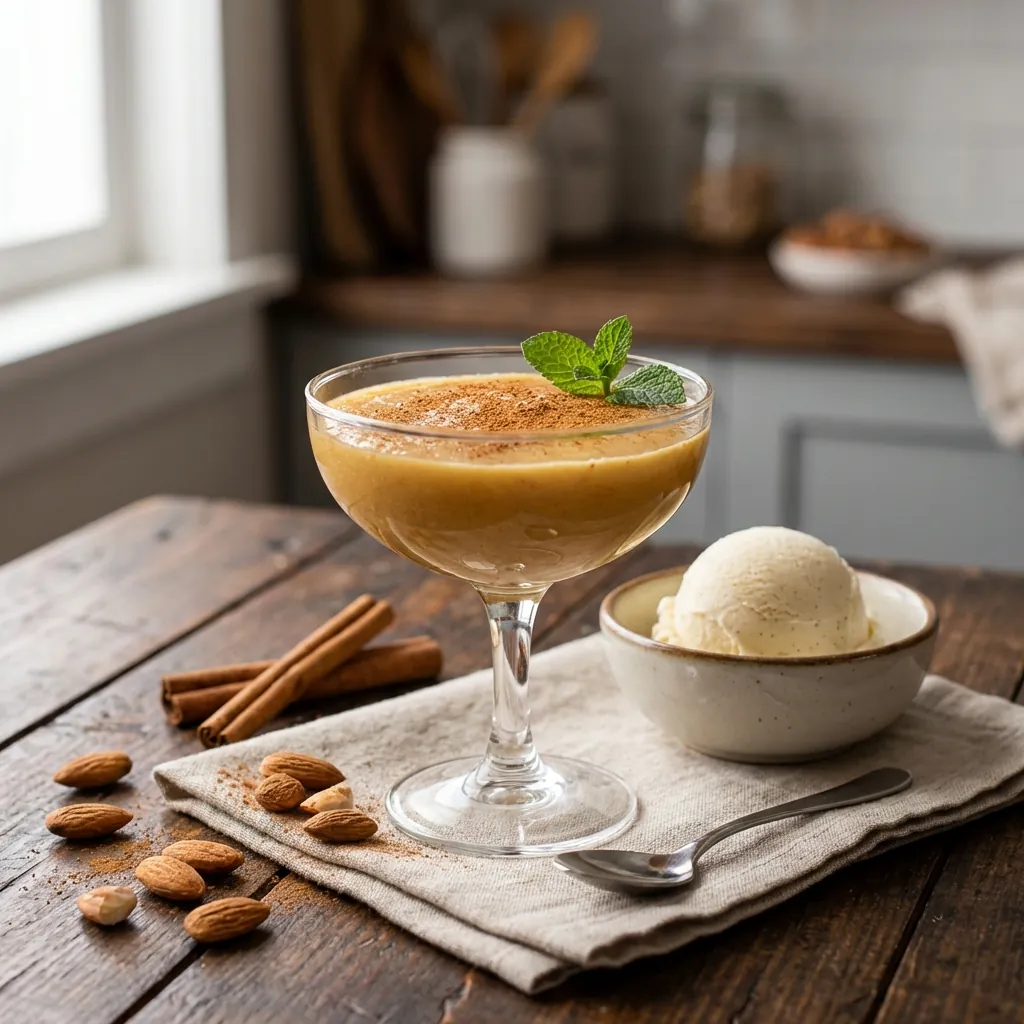
Bienmesabe and almond sweets
Bienmesabe is an almond-based sweet, usually served with ice cream, sponge or fruit. It is a good way to finish a meal, though the inland villages also have convent sweets, pastries and preparations that change from one town to the next.
Also worth looking for
Island cheeses, potajes, Canarian ropa vieja, garbanzas, dressed olives and fruit in season. If you are in a group, ordering several plates to the middle of the table is a simple way to compare flavours without turning the meal into an endless list.
Where to look for a meal with some context
The area you eat in matters. In Vegueta and Triana you can combine a meal with a city walk, markets and heritage. It is a comfortable option if you are staying in Las Palmas or have an afternoon without a car. In the south, Puerto de Mogán and the coastal villages work better when you want to put fish, harbour and beach together; our guide to Puerto de Mogán helps you fit it into the day.
For something different, the Guayadeque ravine adds landscape and restaurants dug into it. Do not go assuming every place there is the same: read the menu, check opening times and book if you want a particular table. Inland, Teror and the mid-altitude villages are good stops for bakery, cheese, cured meat and things to take home.
One useful distinction is between 'eating quickly' and 'making a food stop'. For the first, look for a short menu, produce you recognise and a location that does not break your route. For the second, leave time to walk, ask questions and try two or three things. Canarian food is usually better enjoyed without trying to fit five attractions in before you sit down.
Markets: what to buy and how to use them
Markets are useful for seeing local produce, not only for filling a bag with souvenirs. Look for cheeses with clear labelling, honeys, salts, bottled mojo, fruit, breads and sweets. Ask about origin and about how to keep it; better to buy a little and buy well than to carry a fragile jar in a suitcase in the sun.
Days and stalls change, especially at seasonal or village markets. Always check opening times with the town hall's own source or with the business itself before travelling. If you are driving, use our guide to parking around the dunes when you combine shopping with the south; if not, see the Gran Canaria bus guide to build a route without driving.
How to read a menu without ending up with the generic version
You do not need to hunt for a hidden place or distrust every restaurant in a tourist area. The trick is to read carefully. One good sign is a menu that names the produce, explains a preparation, or says what is available that day. Another is balance: a table can serve international dishes and, at the same time, cook papas con mojo, a local cheese or a well-handled fish with care.
Be wary of vague promises of 'authentic' that are not backed by specific dishes. Ask what they recommend to share, what the fish of the day is, or how they prepare gofio. The answers do not need to be a speech — only clear and consistent. If a particular meal matters to your trip, book, look at the current menu and confirm allergens directly. That way you are not using a static guide in place of information only the restaurant can give you.
A route to try
A day of food and landscape, without rushing
- 1. Morning: start with a walk through Vegueta or an inland village and a coffee with something from a local bakery.
- 2. Midday: pick a restaurant with two or three clear Canarian dishes; share papas con mojo and add fish, a stew or meat depending on the day's menu.
- 3. Afternoon: visit a market or a local produce shop and choose the cheese, sweet or mojo you actually want to take home.
- 4. Evening: if you are in the south, link the stop with the Maspalomas dunes; if you are in the centre, give the drive priority and do not turn the route into a race.
Practical advice: bookings, allergies and expectations
Book ahead for weekend dinners, groups or small restaurants. If you have allergies, intolerances or eat vegetarian, say so when booking and confirm again when you arrive. Mojo can contain nuts or ingredients you would not expect; gofio can be made from different cereals; and vegetarian options vary a lot from place to place.
Do not take a mention of 'Canarian cooking' as a promise of authenticity. What counts is that the menu is specific, that the staff can explain the dish, and that the produce is handled well. Prices, opening hours, availability and booking rules should be checked at the business's own source: this page is not a substitute for that.
For official information about the destination and its food offering, see also the official Gran Canaria tourist board site. What we add is the connection between that information and real travel decisions: what to order, what to ask, and how a meal fits into your itinerary.
Frequently asked questions
What is the most typical dish in Gran Canaria?
Papas arrugadas with mojo are the most recognisable place to start, but they should not be the only one. Put them together with gofio, cheese, fish or a stew for a fuller picture of the island's cooking.
Can you eat Canarian food if you do not eat meat?
Yes, though you have to ask. Papas con mojo, some stews, salads, cheeses, gofio and desserts can work, but recipes and stocks vary. Always confirm ingredients and cross-contamination directly with the restaurant.
Which food souvenir is worth taking home?
Choose products with clear labelling that travel well: bottled mojo, sweets, well-wrapped cheese or honey. Check the baggage rules and avoid fresh produce if you cannot keep it cold.