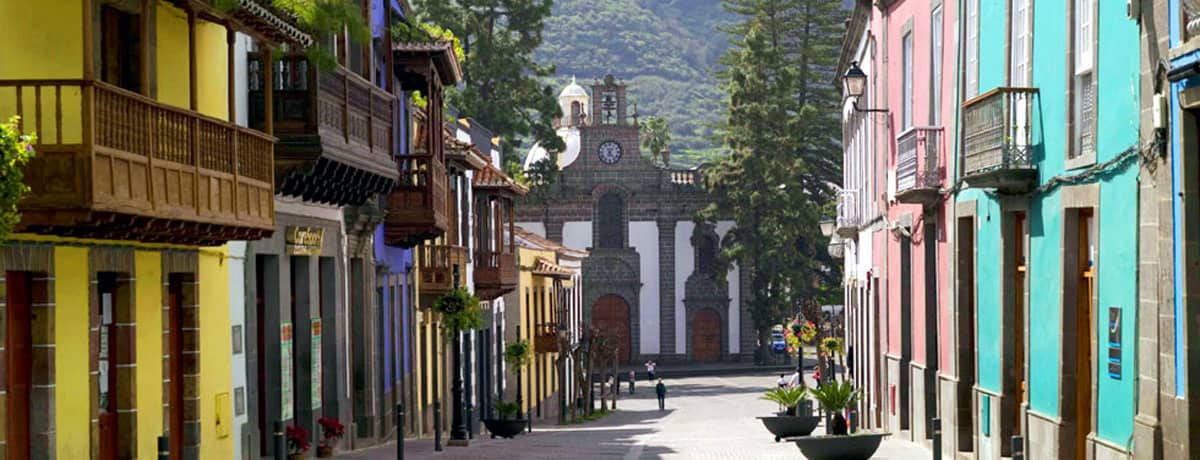
Why Teror belongs on your itinerary
Teror is not a resort and that is its appeal. It sits inland, surrounded by hills, and feels most convincing when treated as a half-day or full-day cultural stop rather than a box to tick between beaches. The town is closely connected with the Basilica of Our Lady of the Pine, an important religious landmark for Gran Canaria, but visitors do not need to be pilgrims to appreciate the setting. The central streets, wooden balconies and small shops make it an easy place to slow down.
Its location also makes Teror a useful contrast to the south coast. After Maspalomas, Puerto Rico or Puerto de Mogán, the cooler inland landscape and traditional townscape reveal another side of the island. If you only have a short break, pair Teror with one nearby viewpoint or a local lunch. If you have a car, it can fit naturally into a route through the central highlands.
What to see in Teror
The centre is compact enough to explore without a rigid route. Begin around Plaza del Pino, follow Calle Real and then continue towards the Alameda before deciding whether to add the greener surroundings of Finca de Osorio.
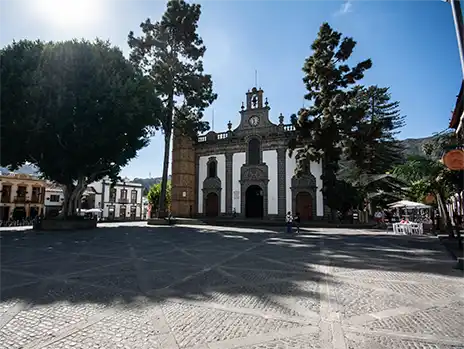
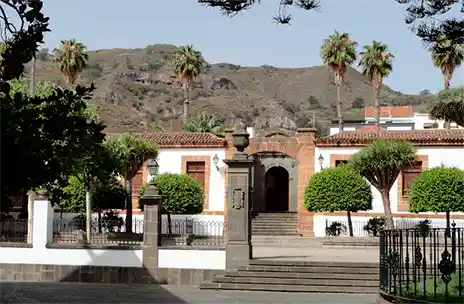
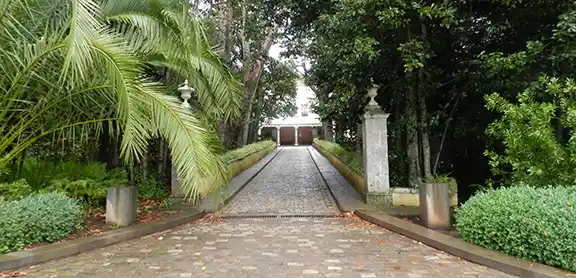
Basilica del Pino
The basilica is the focal point of the town and the most recognisable stop. Dress and behave respectfully, especially during services or religious events. Spend a few minutes in the square as well: it is the best place to understand how the church, the town and local life meet.
Historic balconies and lanes
The traditional balconies around the centre are best discovered on foot. They are private homes, not a staged attraction, so keep the visit quiet and unhurried. Walk a little beyond the busiest street to notice smaller façades, doorways and everyday shops.
Sunday market atmosphere
Teror is particularly well known for its Sunday market. It can be lively and crowded, which is ideal if you enjoy food stalls and local bustle but less so if you prefer a quiet visit. Confirm the current timetable directly before travelling: special dates and local arrangements can change access and opening hours.
A base for the interior
Teror works well as a starting point for a slower central-island drive. Build in extra time for mountain roads and avoid trying to join too many villages in one day. The value is in the landscape and the pauses, not in covering the greatest distance.
What to eat and take home
Teror is often associated with chorizo de Teror, a soft, spreadable local sausage commonly served in a bread roll. It is an easy snack to try, but do not stop there. Look for local cheeses, bread, pastries, honey and other products with clear labelling. If you are buying food to travel with, ask how it should be stored and check your luggage restrictions.
For a fuller introduction to the island’s dishes, see our guide to Canarian food. It explains what to order beyond the obvious snack and how to judge whether a menu is built around recognisable local products. Restaurants and stalls vary, so ask directly about ingredients, allergens and availability rather than relying on a static list.
How to plan the visit
Arrive early if you are visiting on a market day. You will have more time to see the basilica and streets before the centre gets busiest, and parking is usually easier before the main rush. On other days, Teror is calmer and can be enjoyed with a shorter walk and lunch. Either way, wear shoes suitable for uneven pavements and carry a light layer; the interior can feel different from the coast.
A rental car gives you the most flexibility for Teror and nearby villages. Read our Gran Canaria car-rental guide before deciding whether the drive suits your plan. If you prefer public transport, check the route and timetable close to departure using our Gran Canaria bus guide; services and frequencies vary by day.
Teror also pairs well with Las Palmas for travellers staying in the north, or with a full-day interior itinerary for visitors based in the south. Do not underestimate the journey time from a resort area. The shortest route on a map may be slower in reality because of bends, traffic and photo stops.
Getting there
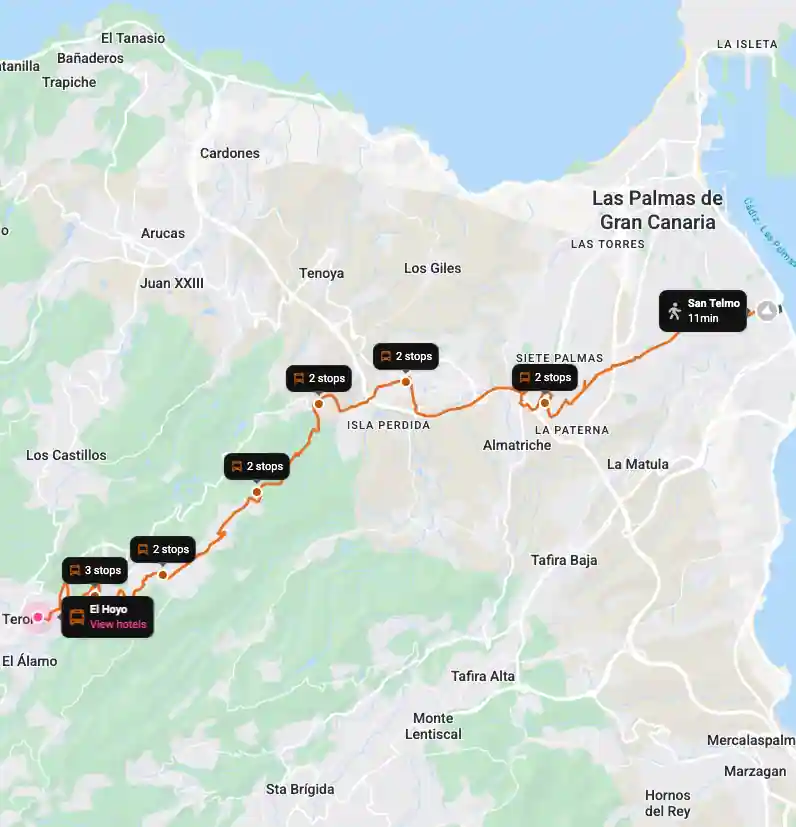
Bus or car from Las Palmas
Public transport is a practical option for a town-only visit: Global lines 216 and 229 run from San Telmo bus station in Las Palmas to Teror, and a single costs €2.30. Check the current Global timetable shortly before departure and leave extra time on Sundays or local festival dates.
A car makes more sense when Teror is one stop in a central-island route. Mountain roads are slower than coastal motorways, so avoid building a schedule around optimistic map estimates.
Choose the right day and pace
The question is not simply whether to visit Teror, but how you want it to feel. Sunday is the obvious choice for visitors drawn by the market. The streets are fuller, food stalls are easier to find and the town has a social, local energy. In return, parking, bus seats and space around the basilica can be limited. Arrive early, keep the day flexible and do not plan a tight lunch reservation immediately after reaching the centre.
A weekday gives a different but equally appealing experience. You can look at the architecture more quietly, browse independent shops without the market rush and sit down for coffee at a more relaxed pace. It suits photographers who prefer empty streets and travellers who want the church and historic centre to be the main event. Some stalls and businesses may keep shorter hours, so do not assume that a Sunday recommendation applies every day of the week.
For most first visits, allow three to five hours in Teror itself. That leaves time to walk the centre, visit the basilica if it is open, taste a local snack and browse without rushing. Add more time if you are travelling by bus or combining the town with a rural drive. A good principle for the interior is to plan one main town, one landscape stop and one meal, rather than turning the day into a sequence of long drives.
Local tradition
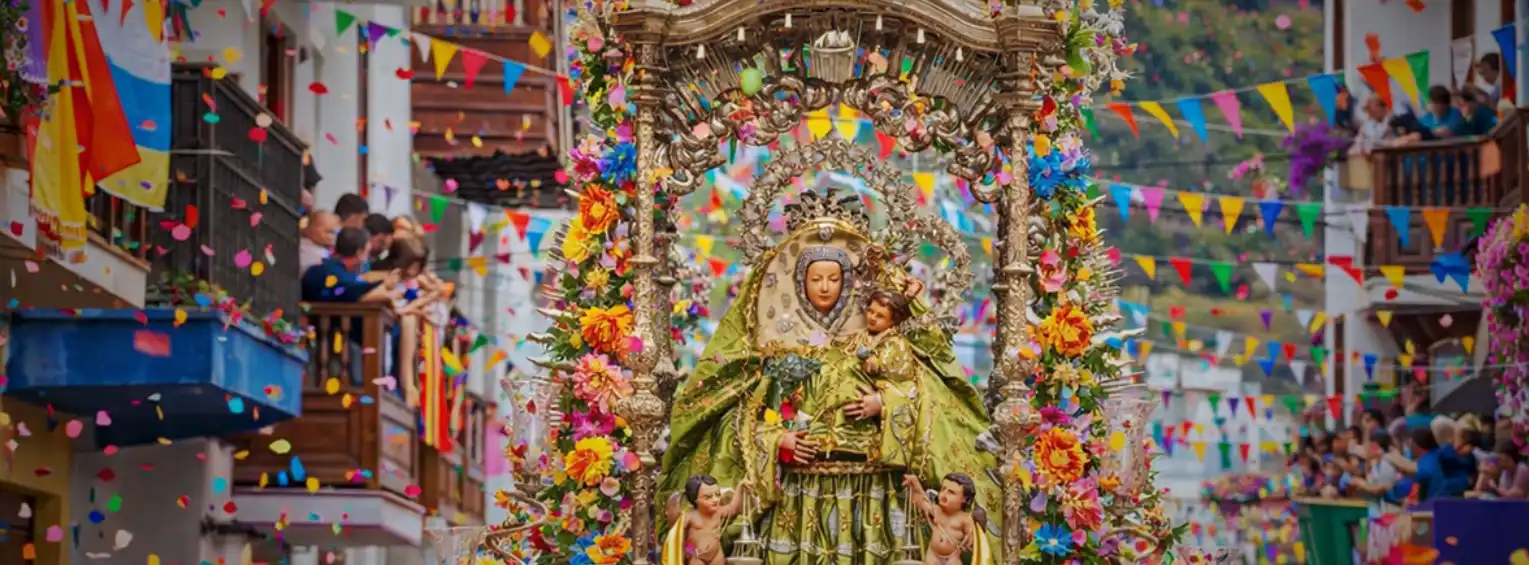
Fiesta del Pino
Teror’s most important celebration transforms the town around early September with pilgrimage traditions, religious events and large crowds. It can be a memorable time to visit, but it requires more planning than an ordinary day trip.
Our Romería del Pino guide covers the 2026 programme, the road closures and the bus plan. Check the official annual programme and transport arrangements before travelling. Road access, bus services and opening hours may differ during the festivities.
Ideas for combining Teror with the island
From Las Palmas
Teror makes an easy cultural escape from the capital. Start with the town in the morning, have lunch nearby, then return to Las Palmas rather than trying to force a long mountain loop into the same day. If your trip is city-based, combine it with our English Gran Canaria travel guide to balance a north-coast stay with inland visits.
From the southern resorts
From Maspalomas, Meloneras, Puerto Rico or Puerto de Mogán, treat Teror as an inland day rather than a short detour. Leave early, bring water and a light jacket, and make the return journey before you are tired of narrow, winding roads. A car is especially useful if you want to stop at viewpoints, but there is no need to rush through every village on the map.
A slower central-island route
If you have a full day and are comfortable driving in the hills, make Teror the cultural anchor of a route through the interior. Pair it with a single viewpoint, a short walk or an unhurried local lunch. Travellers seeking mountain scenery may also enjoy our Roque Nublo guide, but check access arrangements and weather before combining destinations.
Food-focused day out
Make Teror a food stop, not just an architectural one. Try a simple chorizo de Teror roll, look for regional cheese or sweet treats, then choose a restaurant that explains what is local and in season. The best souvenir is usually a clearly labelled product you know how to transport and store, rather than something bought in a hurry from the busiest stall.
Visit respectfully
Teror is a living town and a place of worship, not an open-air set. Keep entrances clear, keep noise down around the basilica and ask before photographing people or private courtyards. Supporting a local shop or restaurant is more useful than treating the historic centre as a quick backdrop. For official destination information and current cultural programming, consult the Gran Canaria Tourism website before you go.
Teror FAQs
Is Teror worth visiting?
Yes, especially if you want historic streets, a religious landmark and local food rather than another beach stop. It is best enjoyed at a relaxed pace.
When is the best time to visit Teror?
Sunday offers the most market atmosphere; a weekday is quieter. Check current opening times and events before setting out.
Do I need a car for Teror?
No, but a car makes it easier to combine Teror with the inland scenery. Buses are an option when planned around the current timetable.