The Most Important Monument of Canarian Religious Architecture
Seat of the Roman Catholic Diocese since 1570
The Cathedral of Santa Ana (Holy Cathedral-Basilica of Canary or Cathedral of Las Palmas de Gran Canaria) is a Roman Catholic church located in Las Palmas, Canary Islands. As the see of the Roman Catholic Diocese of Canarias, it stands triumphantly within the Vegueta neighborhood, directly facing the historic Plaza Mayor of Santa Ana.
The feast of the cathedral's dedication is celebrated every November 26. Today, the structure is universally considered the most important monument of Canarian religious architecture.
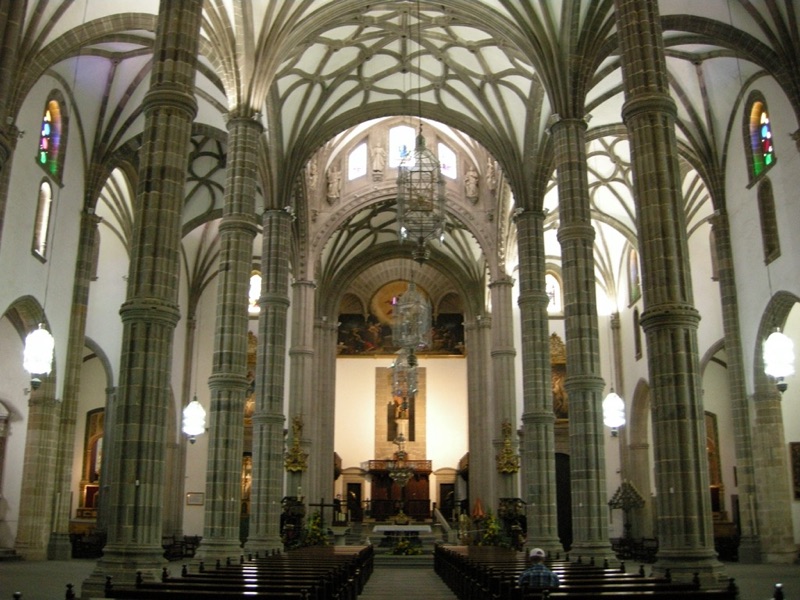
Designed primarily in the Gothic Pointed architectural style, the cathedral's nave perfectly marries intricate detail with vast scale.
The towering columns inside the cathedral are famously worked in imitation of palm-trees. As they rise, the plain vaulting ribs flow from the shafts much like palm branches extending from a trunk.
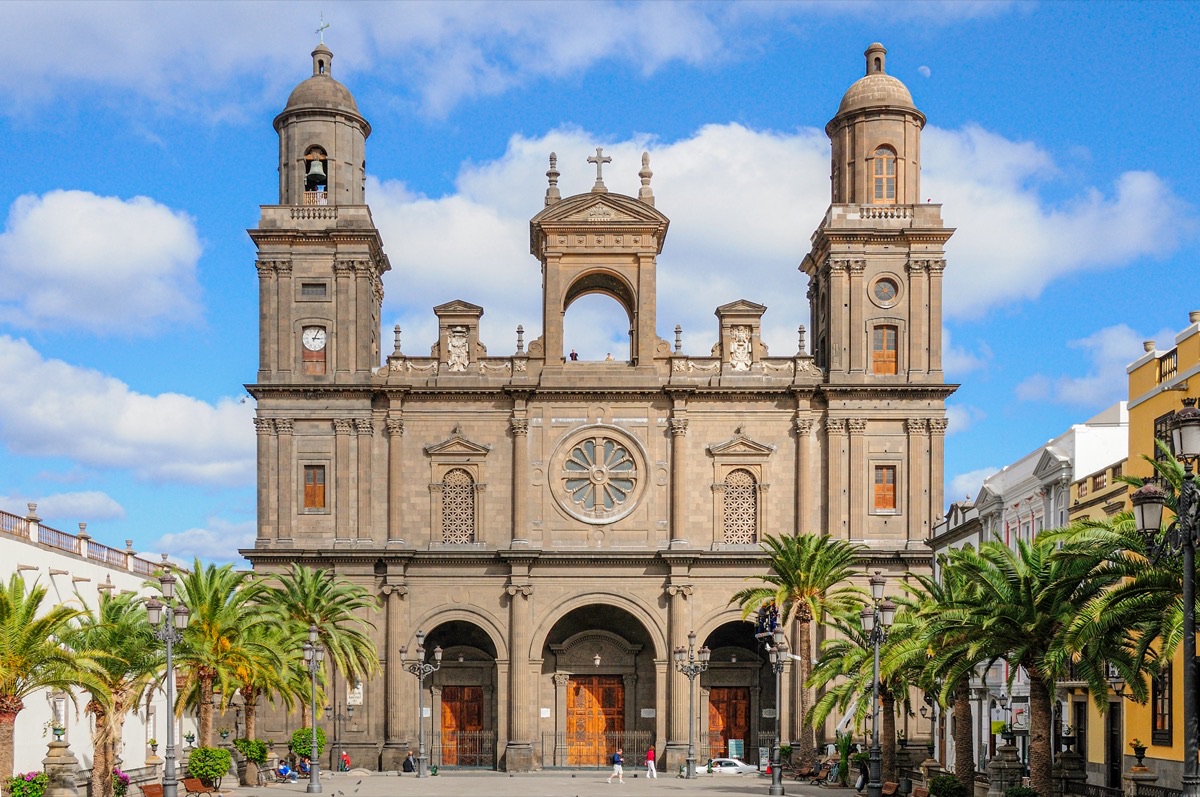
Although its beginnings were Gothic, later expansions by architect Diego Nicolas Eduardo fused Neoclassical (Corinthian) elements into the building's exterior, masking the pointed arches within.
The sacristy features a remarkable stone floor that is cunningly jointed and dovetailed without structural girders belowโa true triumph of 18th-century engineering.
Centuries of construction, delays, and dedication have resulted in the magnificent cathedral standing today.
The present church was commenced during the episcopate of Fr. Diego de Muros under the direction of architect Don Diego Montaude.
The structure was briefly considered finished and the first offices were celebrated on the eve of Corpus Christi.
Architect Don Diego Nicolas Eduardo redesigned much of the exterior, adopting a Neoclassical look while preserving the Gothic soul of the cathedral.
Las Palmas Cathedral remained the only cathedral in the Canary Islands until the diocese was split and La Laguna Cathedral was founded in Tenerife.
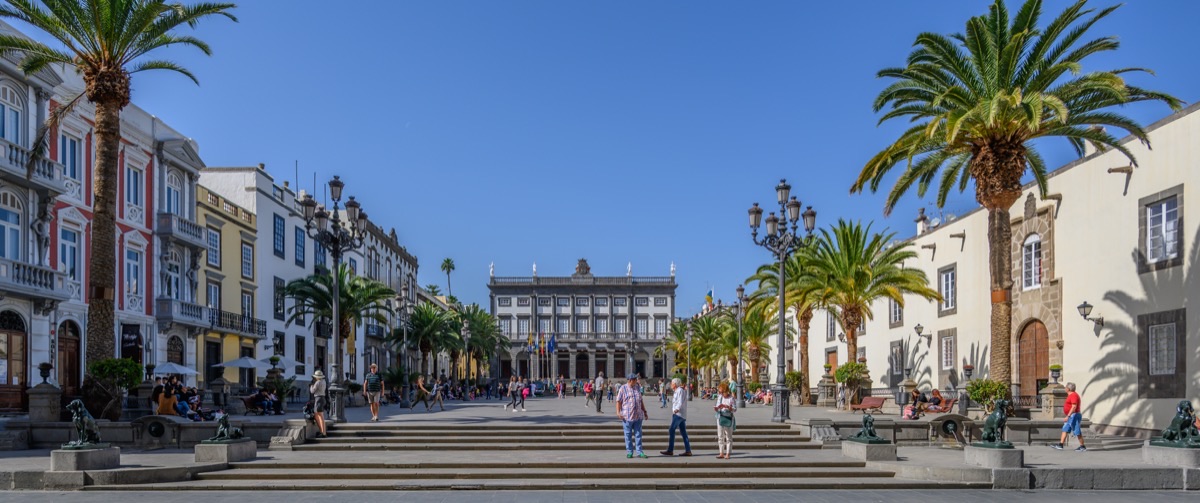
Located in the cobblestone streets of the Vegueta neighborhood, the cathedral shares the Plaza de Santa Ana with the Town Hall and other historical buildings, framed by the famous canine statues.